Exactly how to Browse the Intricacies of a Bail Bond: Tips for First-Time Users
Steering the complexities of a bail bond can be frustrating for those strange with the process. Lots of novice individuals find themselves perplexed by the terminology and responsibilities involved. Understanding key concepts such as costs and collateral is crucial. Furthermore, picking a reputable Bail bondsman can significantly relieve the journey. There are important aspects and common challenges that can make complex matters further. Discovering these can give important insights for anyone facing this tough scenario.

Comprehending Bail Bond Terminology
What key terms should one know with when going across the globe of Bail bonds? Understanding basic terminology is important for navigating Bail bonds effectively. The term "Bail" describes the quantity of cash or property needed to safeguard a defendant's launch from protection, ensuring their look in court. "Bail bond" represents a contract between the defendant, the court, and a bondsman, that gives the Bail quantity for a cost, normally 10-15% of the complete Bail. "Security" may be called for, involving possessions pledged to guarantee payment if the defendant falls short to appear (bail bonds service). "Premium" is the non-refundable cost paid to the bondsman for their services. Additionally, "loss" takes place if the offender does not adhere to court looks, leading to the loss of the Bail amount. Familiarity with these terms empowers individuals to make educated choices during the Bail procedure
The Various Types of Bail Bonds
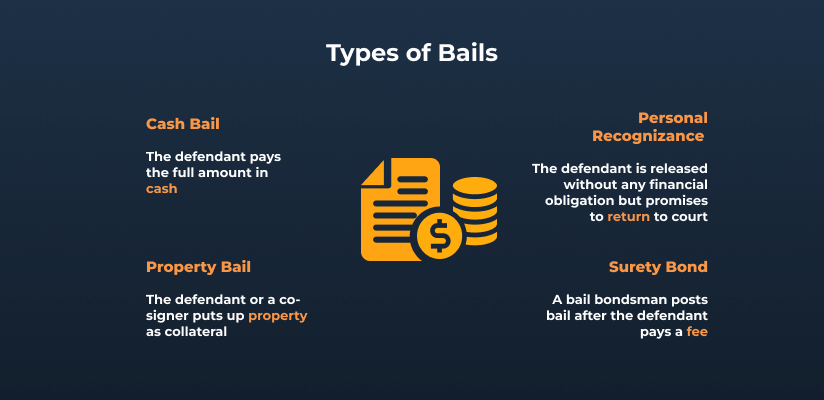
When taking into consideration the numerous alternatives for protecting an offender's launch, one might question regarding the various kinds of Bail bonds offered. One of the most typical type is the guaranty bond, where a Bail bondsman guarantees the complete Bail amount in exchange for a charge, typically around 10%. An additional choice is a money bond, which requires the defendant or their family to pay the entire Bail quantity in cash money upfront, refundable upon court look. Residential property bonds entail the use of property as collateral to safeguard the Bail amount. Additionally, some territories provide federal bonds for federal offenses, which have specific demands. Finally, there are immigration bonds for individuals apprehended by migration authorities. Each type offers a distinct purpose and may vary relating to price and demands, making it essential for novice users to comprehend their choices extensively before continuing.
The Bail Bond Process Explained
Comprehending the bail bond process is essential for anybody steering the judicial system. When an individual is detained, a court establishes a Bail amount based on the severity of the fees and the defendant's trip threat. A bail bond can be obtained through a qualified Bail bondsman if the Bail is expensive. The defendant or co-signer commonly pays a non-refundable fee, usually around 10% of the complete Bail quantity.
Once the bond is protected, the bondsman ensures the court that the defendant will certainly stand for all arranged hearings. If the offender falls short to show up, the bondsman is responsible for paying the full Bail quantity, which can bring about recovery initiatives to locate the individual. Throughout this procedure, communication with the Bail bondsman is essential, as they supply advice and assistance to guarantee compliance with court requirements and responsibilities.
Your Civil liberties as a Co-Signer
Co-signers play a necessary duty in the bail bond process, as they are legitimately responsible for making sure that the offender adheres to the problems of the bond. This responsibility features particular legal rights that co-signers should know. To begin with, co-signers can get complete disclosure pertaining to the regards to the bond, consisting of charges and potential liabilities. They likewise deserve to be educated if the defendant violates any type of problems of the bond, such as failing to show up in court.
Additionally, co-signers can request a duplicate of the bail bond arrangement for their documents. They are qualified to comprehend the effects of their financial commitment, consisting of the possibility of being held responsible for the full quantity of the bond if the defendant does not comply. Eventually, co-signers can withdraw their support under particular problems, although this might require informing the bail bond agent beforehand.
Common Mistakes to Avoid
Steering the bail bond process can be complicated, and co-signers frequently make a number of typical blunders that can bring about issues. One major mistake is falling short to read the entire Bail contract, which might contain crucial terms and conditions that affect their economic responsibility. Furthermore, co-signers sometimes undervalue the significance of recognizing the accused's scenario, including their court days and potential repercussions of non-compliance. An additional frequent mistake is overlooking to keep interaction with the Bail bondsman, which can prevent the process if concerns occur. Co-signers might also neglect the monetary effects of Bail, not fully comprehending the charges involved or the possibility of losing security. They could think that once Bail is posted, their duty ends, not recognizing that they remain answerable until the situation is solved. Preventing these mistakes can considerably reduce the bail bond experience for new users.
Often Asked Questions

How Do Bail Bond Firms Identify the Premium Amount?
Bail bond companies normally identify the costs quantity based on the complete Bail amount, the danger related to the accused, and the business's policies - bail bonds service. Variables like the offender's criminal history and trip risk additionally influence this decision
Can I Work Out the Terms of a Bail Bond?
The opportunity of discussing bail bond terms differs by firm. Some bondsmen might offer adaptability, while others stick purely to established guidelines. It is a good idea to review options directly with the bail bond representative for clearness.
What Occurs if the Defendant Misses Their Court Day?
A bench warrant might be issued for their arrest if a defendant misses their court day. Furthermore, the bail bond may be surrendered, causing financial effects for the co-signer and possible lawful complications for the accused.
Are Bail Bond Costs Refundable After the Case Concludes?
Bail bond costs are usually non-refundable, regardless of the case outcome. This cost compensates the bond website representative for the solution of protecting the offender's launch, covering dangers and management prices included in the process.
Can I Use Collateral Besides Home for a Bail Bond?
The concern of using security beyond home for a bail bond usually occurs. Numerous bail bond agents approve various forms of collateral, such as vehicles or important items, yet policies may differ by company and jurisdiction.
"Bail bond" signifies a contract between the accused, the court, and a Bail bondsman, that supplies the Bail quantity in exchange for a cost, normally 10-15% of the overall Bail. The most typical kind is the surety bond, where a Bail bondsman ensures the full Bail amount in exchange for a fee, commonly around 10%. If the Bail is unaffordable, a bail bond can be gotten through a certified Bail bondsman. Co-signers play a crucial duty in the bail bond process, as they are lawfully accountable for ensuring that the offender sticks to the conditions of the bond (bail bonds service). Bail bond firms commonly establish the premium quantity based on the complete Bail amount, the risk associated with the accused, and the firm's policies
Comments on “Reasons Why Many People Trust All About Bail Bonds near me”